
India’s automobile sector just got a big boost. The GST Council has approved a 10% tax cut on small cars and commuter motorcycles, effective 22 September—a move aimed at reviving demand and improving affordability.
This shift comes after income-tax relief and lower loan rates failed to excite buyers. Now, the government is betting on GST rationalisation to put more Indians back on the road with compact cars and budget-friendly bikes.
Markets welcomed the move instantly—Nifty Auto jumped 2.2% in early trade, outpacing the benchmark Nifty’s 0.8% rise. Stocks of leading automakers such as Maruti Suzuki, Hyundai Motor India, Hero MotoCorp, and TVS Motor all gained ground.
Who Benefits Most? ✅
The biggest winners are buyers of sub-4 metre cars and commuter bikes:
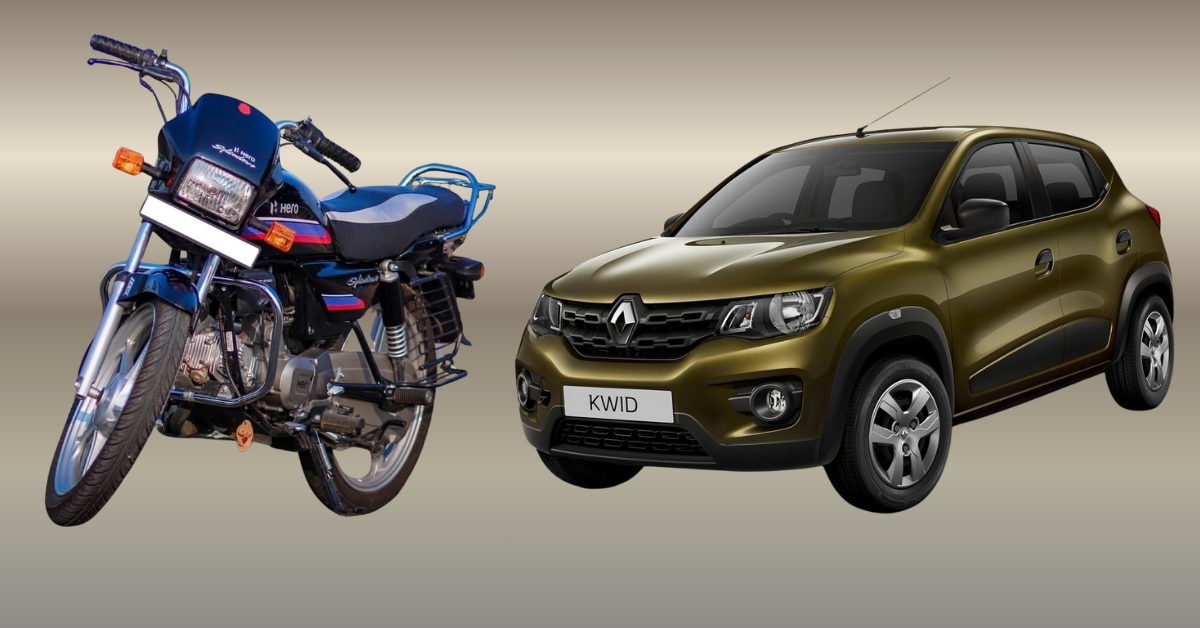
- Hatchbacks: Maruti Swift, Tata Altroz, Hyundai i20, Renault Kwid
- Compact SUVs: Tata Punch, Maruti Brezza, Hyundai Venue, Mahindra 3XO
- Two-wheelers ≤350cc: Bajaj Pulsar, TVS Raider, Hero Splendor
📉 Tax rate cut: From ~28–29% to 18%
This means most small cars priced between ₹6–10 lakh could get cheaper by ₹60,000–1 lakh, provided automakers pass on the full benefit.
Who Pays More? ❌
While mass-market buyers cheer, premium bikes and SUVs face higher levies:
- Big bikes >350cc: Royal Enfield, KTM, Bajaj Dominar, Himalayan 450 → 40% GST (up from ~31%).
- Mid & large SUVs: Tata Harrier, Mahindra XUV700, Hyundai Creta → 40% GST (lower than earlier 45–50%).
So, while SUVs technically see a tax reduction, premium two-wheelers will cost more.
What About EVs? ⚡
No change here—all electric vehicles continue at a 5% GST rate, keeping the green mobility push intact. Models like Tata Nexon EV, TVS iQube, Hyundai Creta EV, Bajaj Chetak remain attractive options.
Industry Reactions 📢
Automakers and analysts are upbeat:
- Mahindra & Mahindra’s Rajesh Jejurikar: “The move will improve accessibility for personal mobility and stimulate inclusive growth.”
- Maruti Suzuki’s RC Bhargava: Had already pushed for GST cuts, calling them vital for reviving India’s small car market.
- S&P Global Mobility’s Gaurav Vangaal: “The GST cut comes at the right time, offsetting price hikes and re-energising entry-level demand.”
Why Now? 📊
The auto sector has been facing a slowdown:
- Passenger vehicle sales fell 1.4% in April–June FY26
- Two-wheeler sales dropped 6.2%
- Overall wholesale dispatches slid 5% YoY
The GST cut is seen as a festive season booster, coming at a time when affordability has been a major roadblock for first-time buyers.
Since PM Modi’s announcement on 15 August, Nifty Auto has rallied nearly 7%, signaling strong investor confidence.
Bottom Line
The GST relief is a win for small car and commuter bike buyers, giving millions of middle-class Indians a chance to upgrade their rides. At the same time, higher taxes on premium bikes and SUVs balance out the revenue.
With festive sales around the corner, this policy shift could be the fuel India’s auto sector has been waiting for. 🚀
👉 What do you think—will this GST cut finally bring back the golden days for small cars in India?
Credit: This article is based on a report originally published by LiveMint.
LiveMint holds full responsibility for the accuracy of the original information. StoryLens360 has adapted it in our style for our readers.